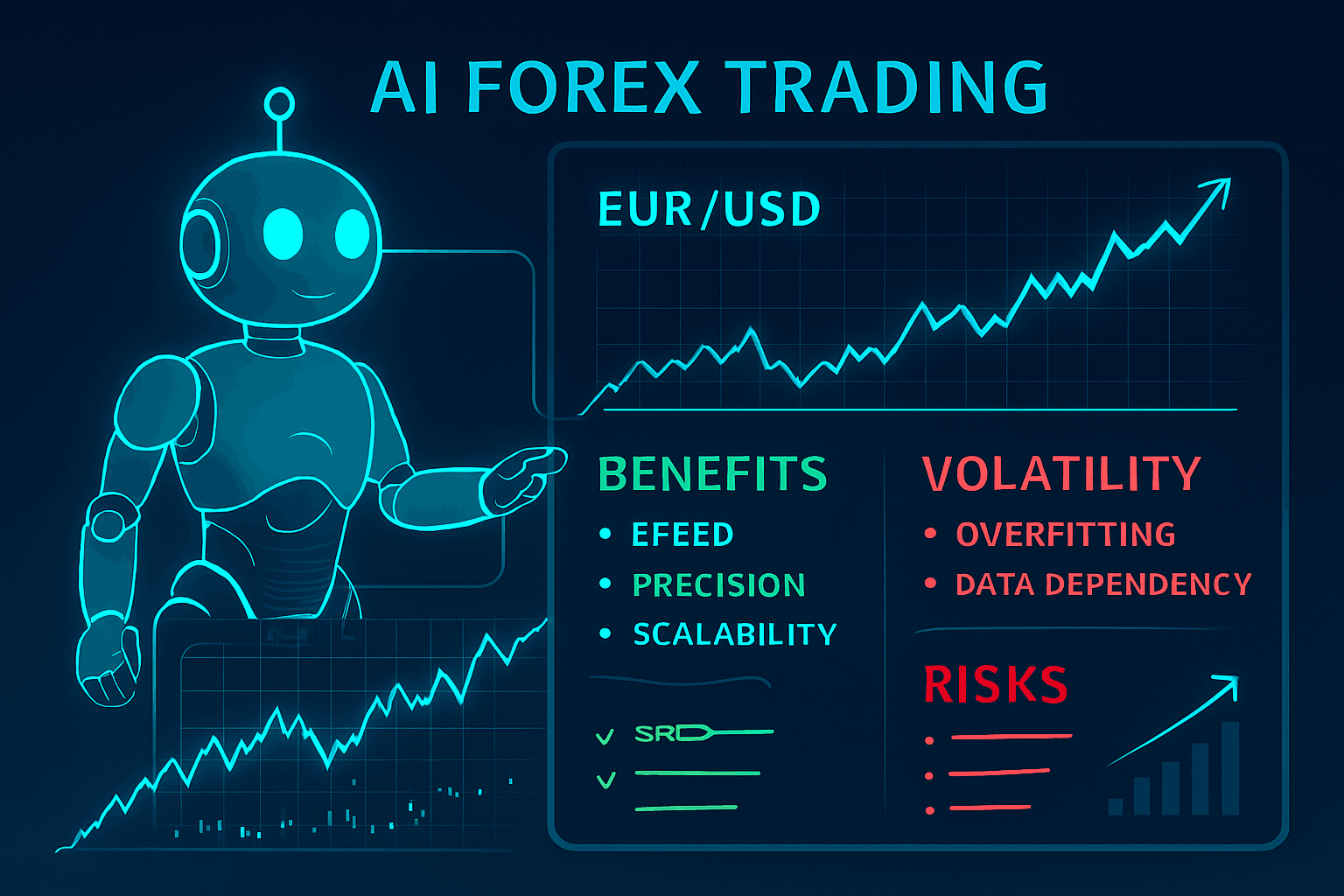
AI-powered forex bots have transformed trading by enabling automated decision-making and faster execution with minimal human intervention. These systems leverage machine learning algorithms, real-time data analysis, and predictive models to place trades efficiently. While AI-powered forex bots offer major advantages, they also come with limitations that traders must consider before fully relying on them.
Advantages of AI-Powered Forex Bots
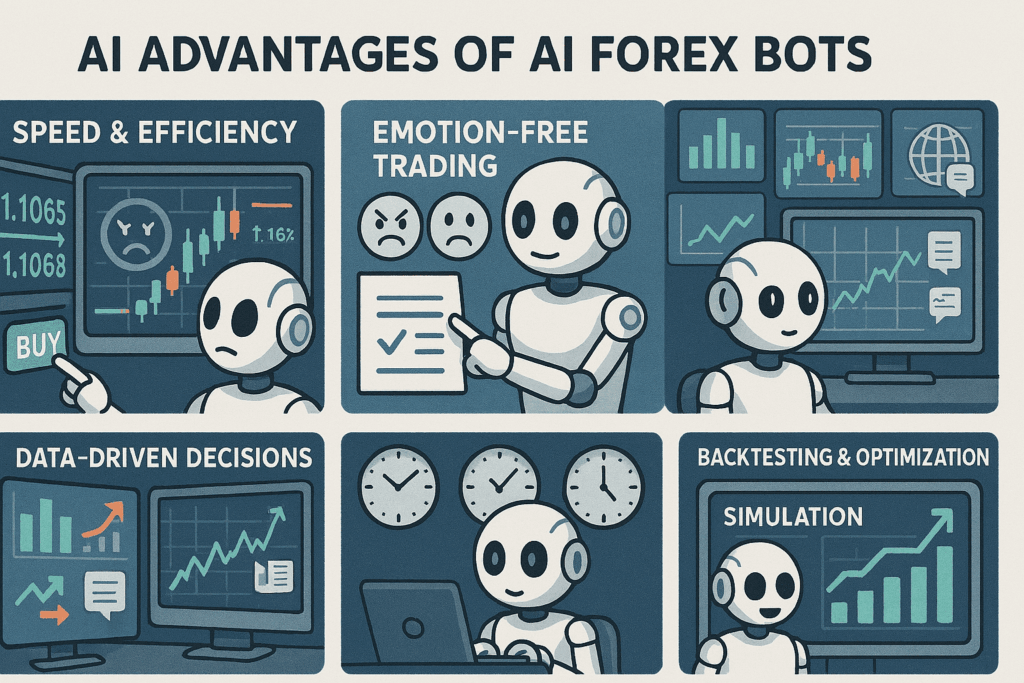
- Speed and Efficiency
AI bots can process large volumes of market data and execute trades in milliseconds far faster than any human trader. This allows them to capitalize on short-term opportunities and exploit small market inefficiencies that may disappear quickly. - Emotion-Free Trading
One of the biggest challenges in forex trading is managing emotions such as fear and greed. AI bots follow pre-programmed strategies consistently, removing emotional decision-making and maintaining discipline in all market conditions. - Data-Driven Decisions
AI bots analyze historical and real-time data, news sentiment, and economic indicators to make informed trading decisions. Their ability to process vast datasets ensures that trades are based on objective insights rather than intuition alone. - 24/7 Market Monitoring
Forex markets operate around the clock. AI bots can monitor multiple currency pairs continuously, ensuring no opportunities are missed, and respond to market movements instantly, even when traders are offline. - Backtesting and Optimization
AI bots can be backtested on historical data to evaluate performance and optimize strategies. This allows traders to fine-tune algorithms for improved profitability before deploying them in live markets.
Limitations and Risks
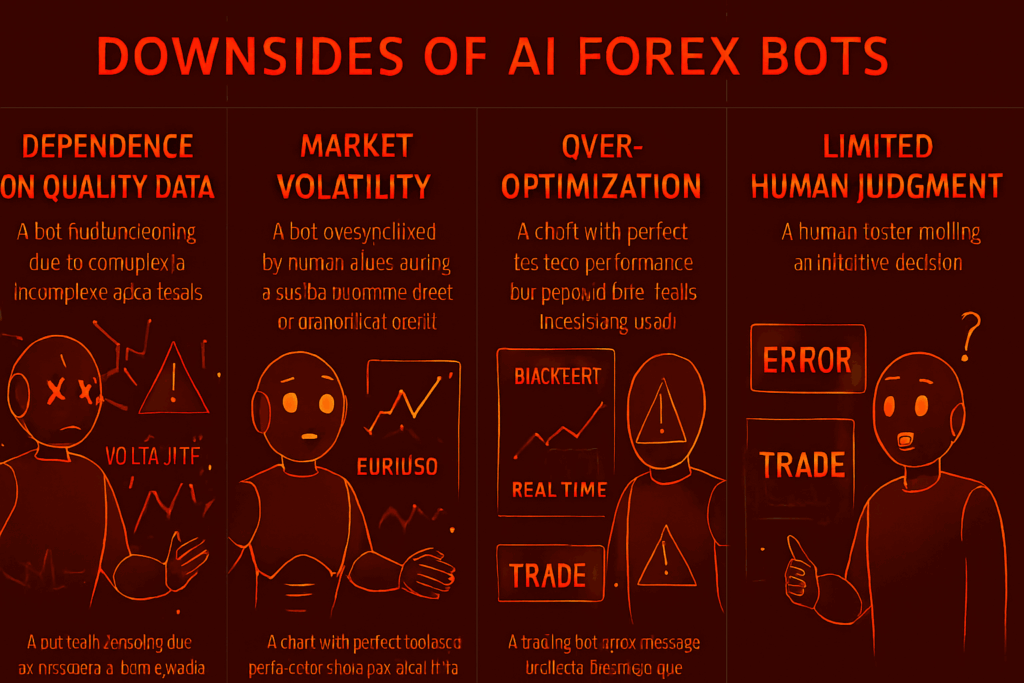
- Dependence on Quality Data
The performance of AI bots is only as good as the data they are trained on. Poor-quality or outdated data can lead to incorrect predictions and unexpected losses. - Market Volatility
Extreme volatility, such as sudden geopolitical events or economic shocks, can trigger unexpected losses. Bots may not always adapt quickly enough to unprecedented market conditions, especially if they rely heavily on historical patterns. - Over-Optimization
Some AI bots are over-optimized for past market conditions, a phenomenon known as curve-fitting. While they may perform exceptionally in backtests, they might fail under live market conditions where variables differ from historical data. - Technical Failures
AI bots depend on reliable internet connections, software stability, and broker execution systems. Technical failures or server downtime can disrupt trading and cause missed opportunities or losses. - Limited Human Judgment
While AI bots excel in data analysis, they cannot fully account for qualitative factors like geopolitical sentiment, central bank behavior nuances, or sudden market psychology shifts. Human oversight is still essential.
Practical Example
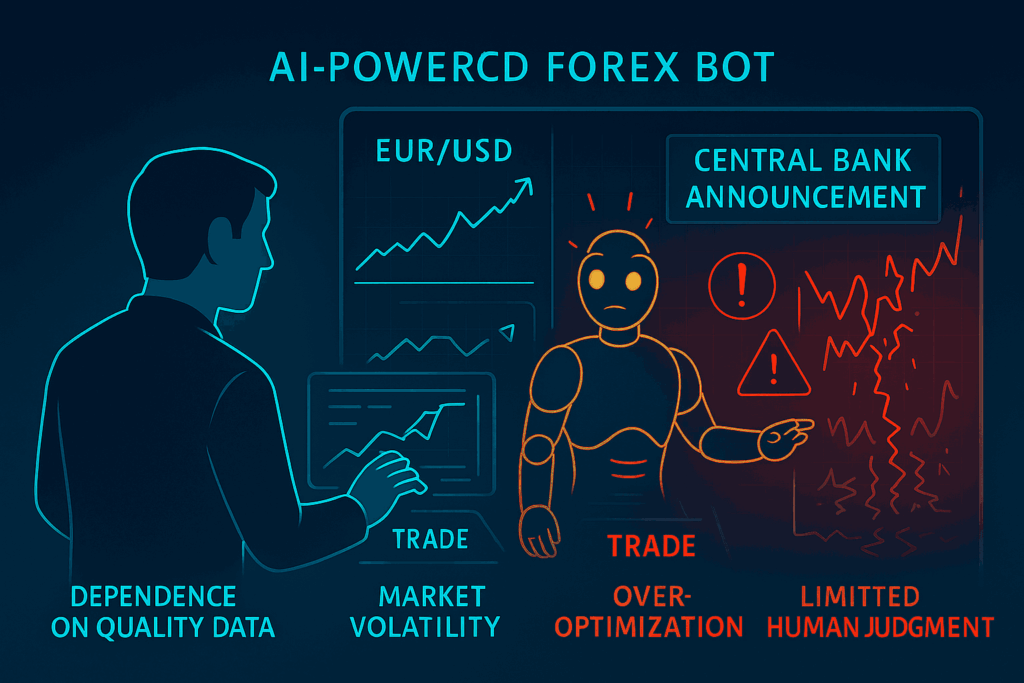
Consider a trader using an AI-powered EUR/USD trading bot. The bot monitors price patterns, economic news, and technical indicators, executing trades automatically based on its algorithm. During normal market conditions, it captures small but consistent profits. However, during an unexpected central bank announcement, the bot may react slower than a human trader who can interpret the news contextually. The trader’s supervision ensures adjustments are made when conditions exceed the bot’s programmed parameters.
Final Thoughts
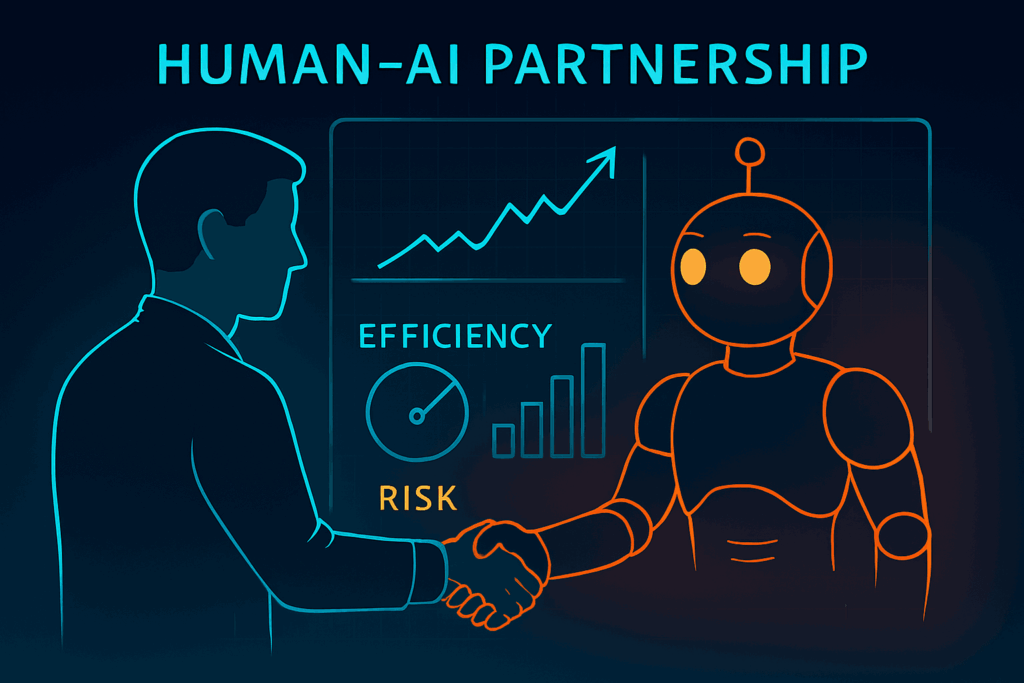
AI-powered forex bots are powerful tools that offer speed, consistency, and data-driven decision-making. They reduce emotional bias, enable round-the-clock trading, and allow traders to execute complex strategies efficiently.
However, these bots are not foolproof. Traders must consider data quality, market volatility, and technical reliability, and combine AI tools with human judgment for optimal results. When used responsibly, AI-powered bots can enhance trading efficiency, but success ultimately depends on understanding their limitations and integrating them into a disciplined trading strategy.