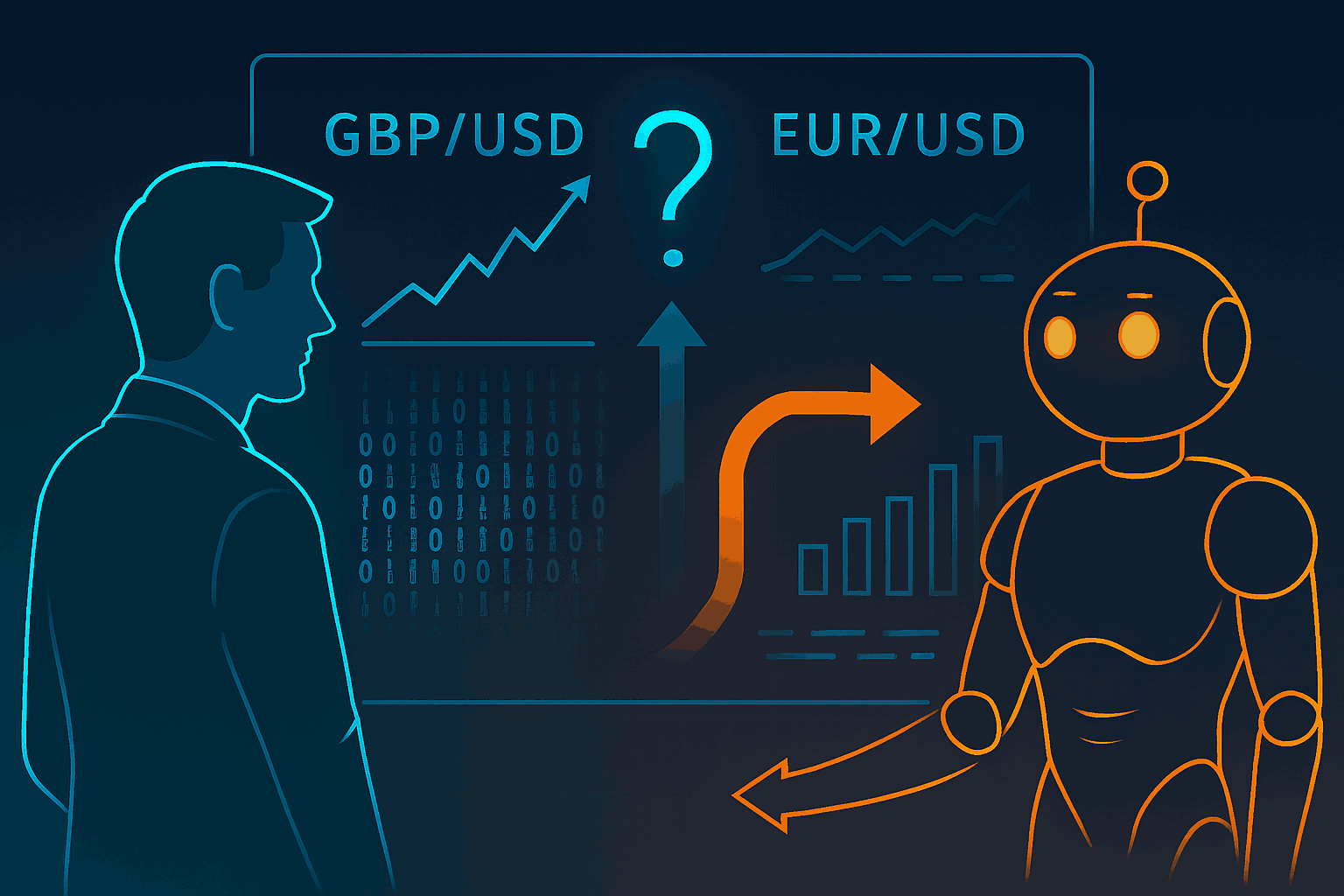
Artificial intelligence (AI) is transforming the forex market at an unprecedented pace. From automated trading bots to machine learning-based predictive models, AI is taking on tasks that once required human analysis, intuition, and decision-making. This growing shift has sparked a key question in the trading world: Will AI replace human forex traders in the future? The answer, while complex, lies in understanding both the capabilities and limitations of AI in trading.
The Rise of AI in Forex
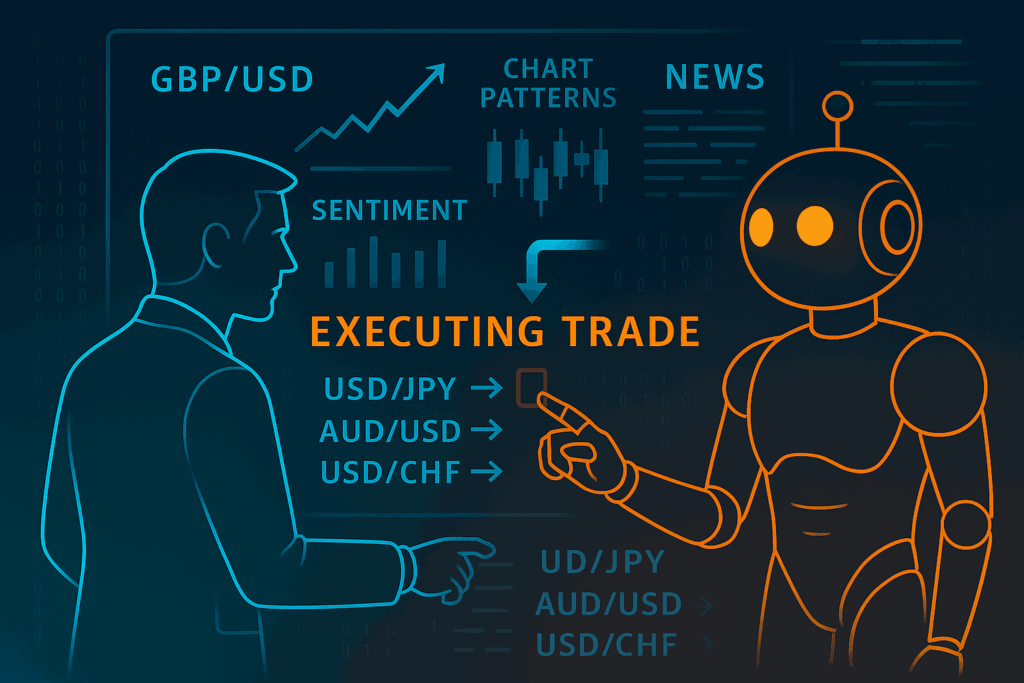
AI has revolutionized forex trading by enabling traders to process massive amounts of data, detect patterns, and execute trades automatically. Machine learning algorithms can analyze historical price movements, economic indicators, and even real-time news sentiment. AI-powered systems can make decisions within milliseconds, far faster than any human could.
These capabilities allow AI to handle repetitive, data-intensive tasks efficiently, reducing human error and emotion-driven trading decisions. Automated bots, predictive algorithms, and AI-driven signal services are already assisting traders worldwide in making informed, faster, and more consistent decisions.
Why AI Alone Cannot Fully Replace Humans
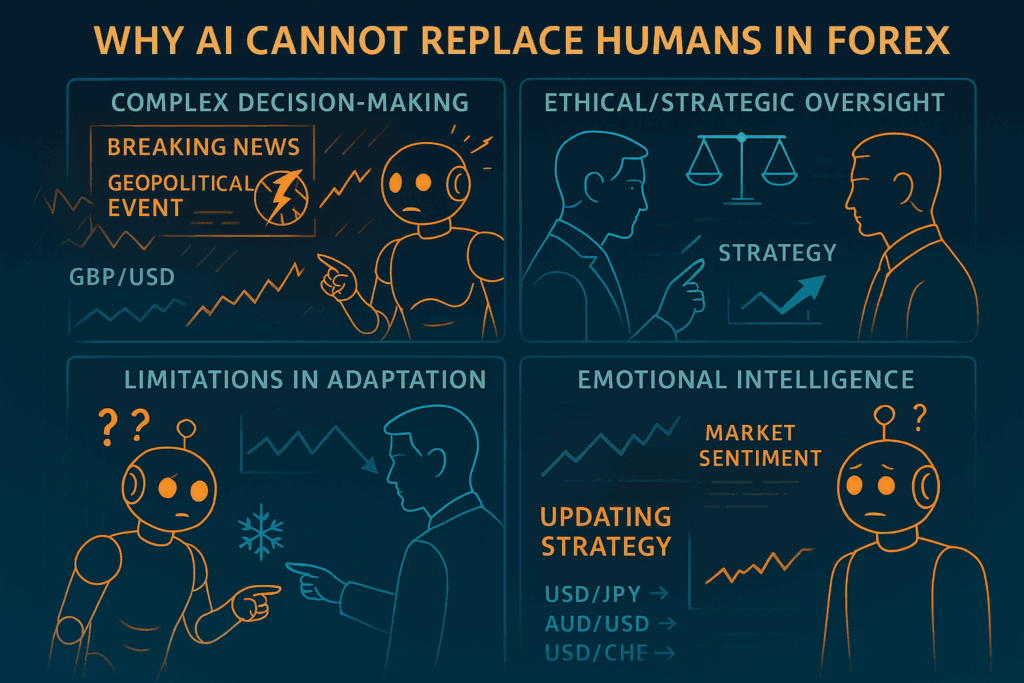
Despite its advantages, AI is unlikely to replace human traders completely. Several factors support the continued relevance of humans in forex trading:
- Complex Decision-Making
Forex markets are influenced by unpredictable geopolitical events, sudden policy changes, and human sentiment. While AI can analyze data patterns, it cannot fully comprehend the nuanced implications of unexpected events or market psychology. - Ethical and Strategic Oversight
AI executes strategies based on pre-defined rules and historical data. It lacks the ability to apply ethical judgment or modify strategies dynamically based on broader economic trends, risk appetite, or portfolio considerations. - Limitations in Adaptation
AI models are often trained on historical data. In unprecedented market conditions, AI may struggle to adapt immediately without human intervention or reprogramming. Human traders bring experience and intuition that allows them to respond flexibly. - Emotional Intelligence
While emotions like fear and greed can hinder humans, they also allow experienced traders to anticipate market behavior. AI cannot replicate the emotional intuition humans use to sense market sentiment or subtle shifts in investor psychology.
The Future: Collaboration Between AI and Humans
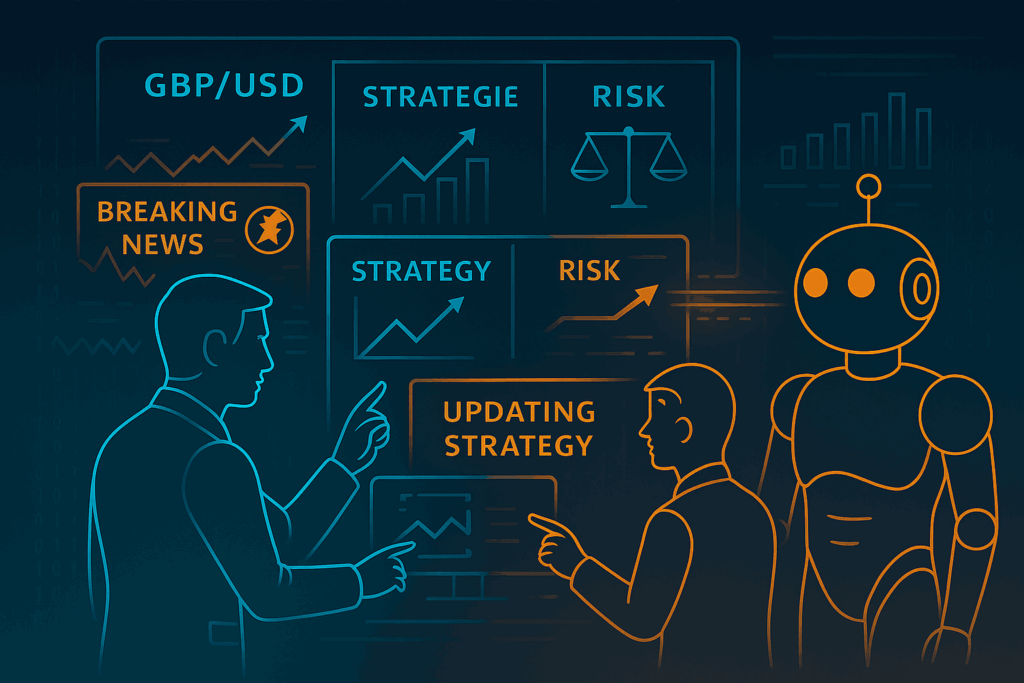
Rather than replacement, the future points toward collaboration. AI can handle data analysis, trade execution, and pattern recognition, while humans focus on strategy, risk management, and decision-making in unusual or high-stakes situations.
This partnership allows traders to leverage AI’s speed and accuracy while retaining human oversight for context-specific judgment. The result is enhanced efficiency, minimized errors, and improved profitability.
Practical Example
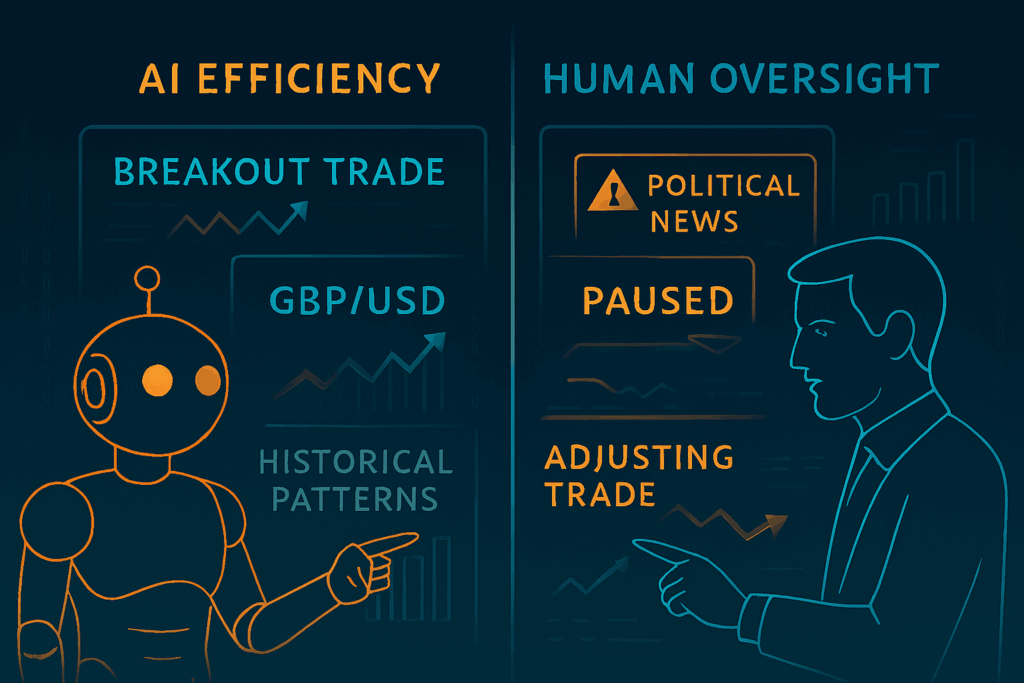
Consider a forex trader using an AI-powered trading bot for GBP/USD. The AI identifies a high-probability breakout pattern based on technical indicators and historical data, executing the trade automatically. However, a sudden political announcement affects the currency pair’s trajectory. A human trader can intervene, adjusting positions or pausing trades to mitigate risk. This combination of AI efficiency and human judgment creates a balanced, adaptive trading approach.
Final Thoughts
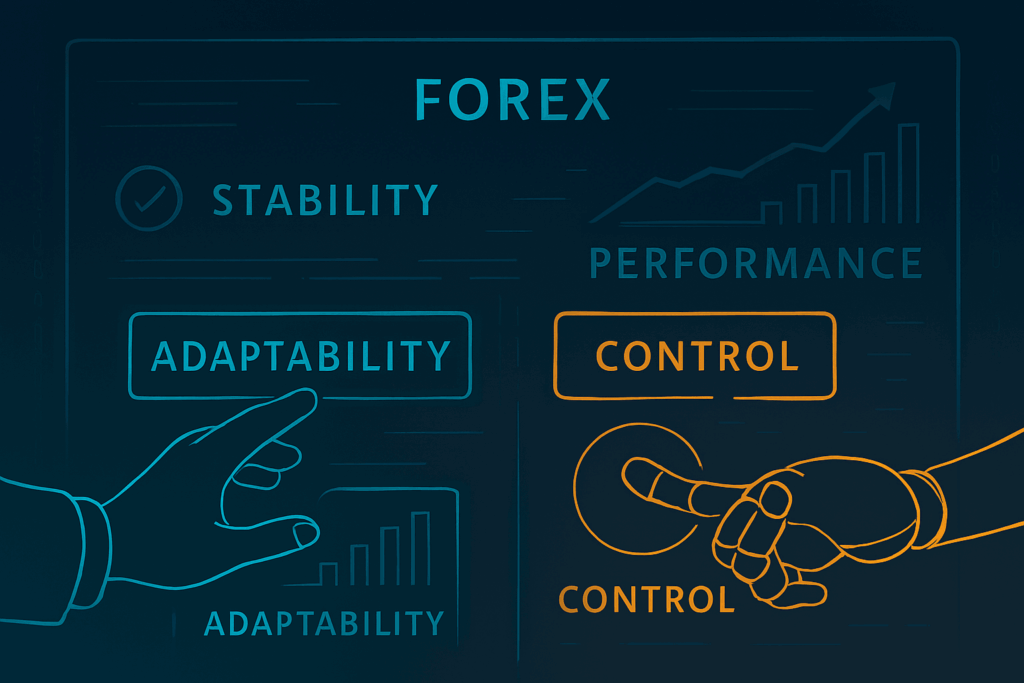
AI is undeniably reshaping forex trading, automating complex tasks, improving accuracy, and enabling faster decision-making. However, it is unlikely to fully replace human traders in the foreseeable future. The most effective approach lies in human-AI collaboration, where technology enhances trading efficiency and humans provide strategic insight, emotional intelligence, and adaptive decision-making.
In the evolving landscape of forex, embracing AI as a tool rather than a replacement ensures traders remain competitive, informed, and capable of navigating both routine and extraordinary market conditions.