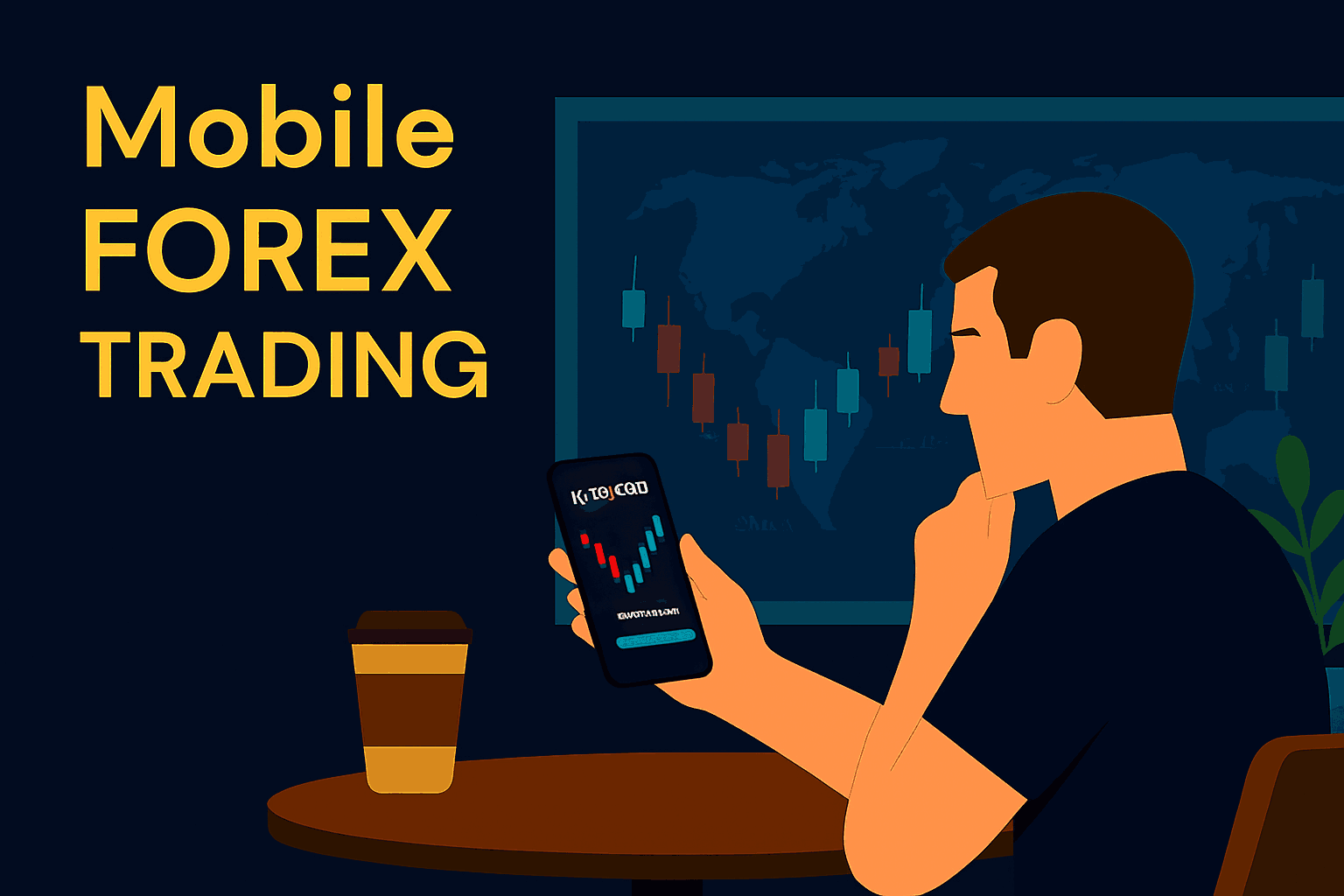
Why mobile trading is dominating the forex world is no mystery in today’s fast-paced digital era. What was once the domain of desktop terminals and trading rooms has shifted into the hands of everyday traders using smartphones and tablets. The rise of powerful mobile apps, real-time data access, and seamless execution capabilities has transformed the way forex traders operate. Let’s explore why mobile trading is not just a convenience anymore, it’s quickly becoming the standard.
Convenience and Accessibility
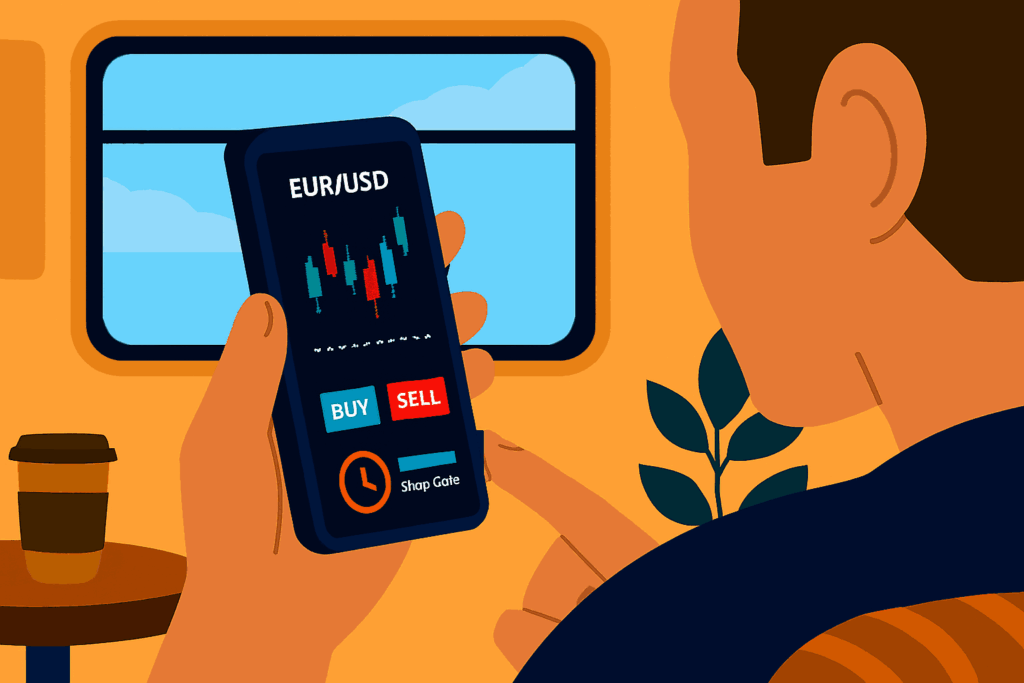
The number one reason behind the rise of mobile trading is simple: accessibility. Traders are no longer tethered to a desk or a laptop. With mobile platforms, they can monitor the markets, open and close positions, and adjust strategies while on the go. Whether commuting, traveling, or during a quick coffee break, the ability to act instantly provides traders with a competitive advantage.
In forex where markets move fast and volatility can strike at any moment this level of accessibility ensures traders don’t miss opportunities that could define their day or week.
Real-Time Market Updates
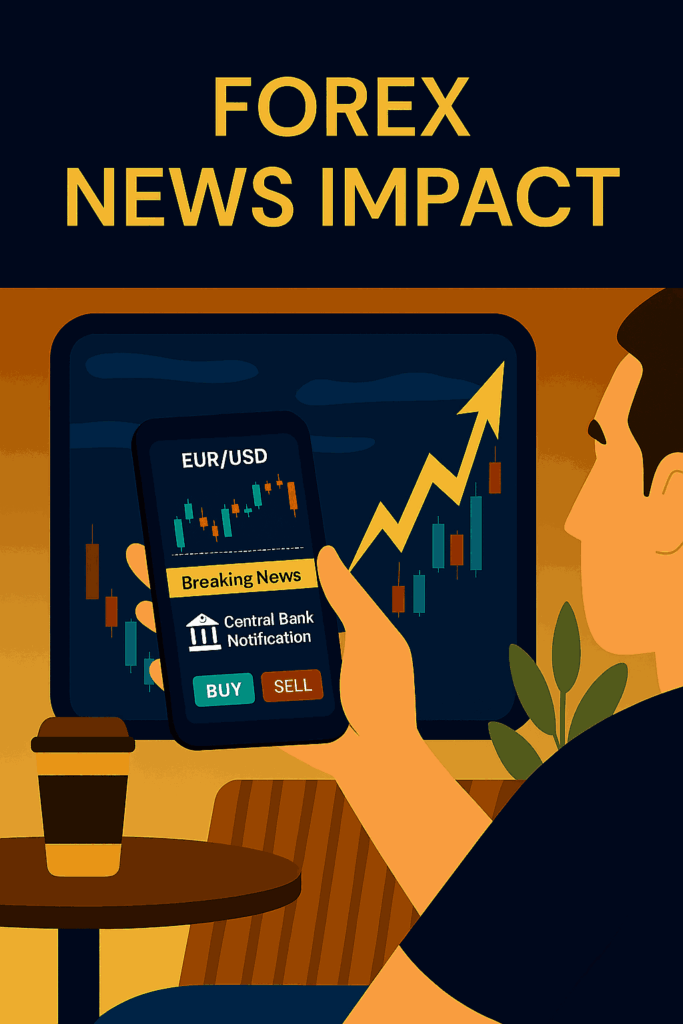
Mobile trading apps are now equipped with real-time push notifications, live charts, and instant news alerts. Events like central bank announcements, geopolitical developments, or economic data releases can move the markets within seconds. Traders using mobile platforms can receive alerts the moment news breaks and execute trades instantly.
This immediacy levels the playing field for retail traders, giving them access to the same speed of information that was once reserved for institutional players.
Seamless Integration with Technology
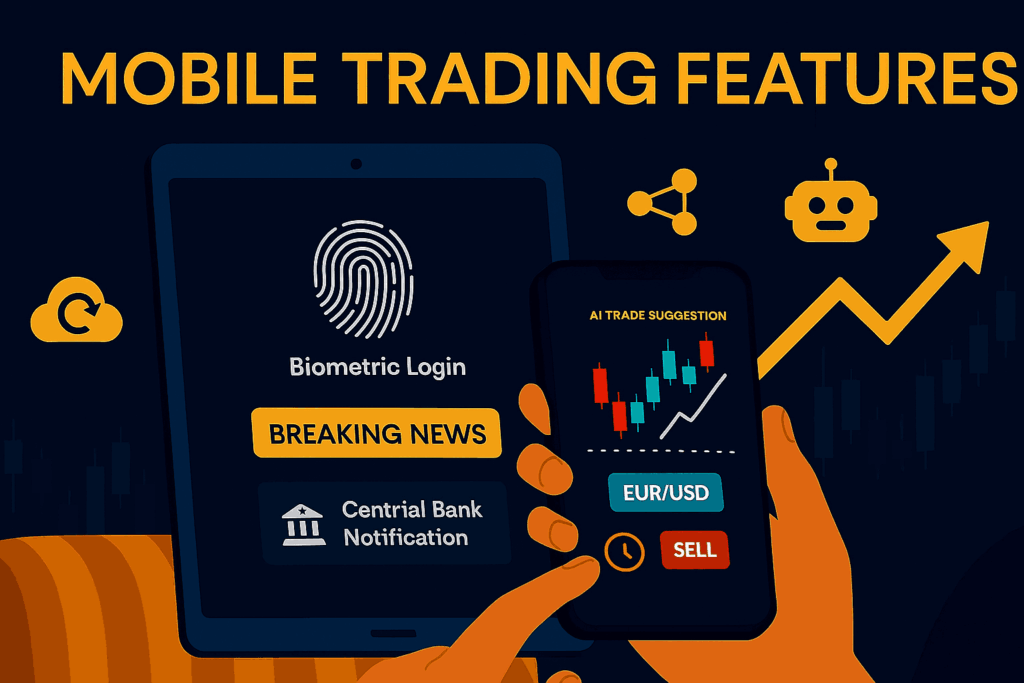
Another reason mobile trading dominates is its integration with broader financial technology (fintech). Features like biometric login for security, cloud-based data syncing across devices, and even AI-driven trade recommendations have made apps more user-friendly and sophisticated. Many mobile platforms also integrate seamlessly with tools like trading signals, social trading networks, and automated bots, giving traders multiple ways to stay ahead.
Flexibility for Different Trading Styles
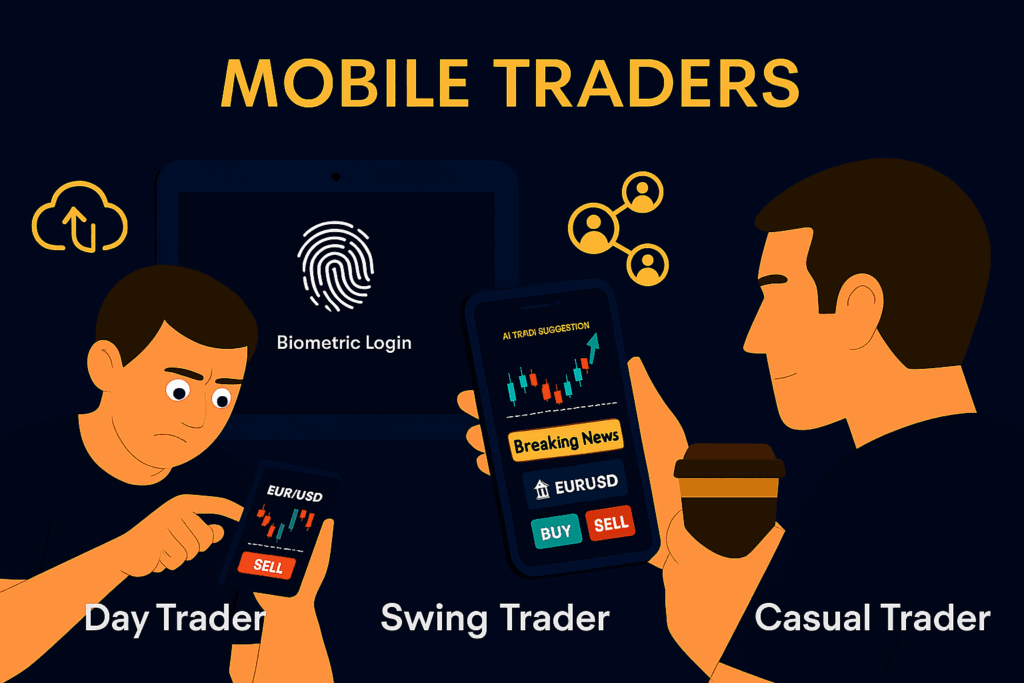
Whether you’re a day trader, swing trader, or long-term investor, mobile trading apps cater to all styles. Day traders can execute multiple trades within minutes using streamlined interfaces, while long-term traders can use charting tools to analyze trends without being chained to a desktop.
For part-time traders juggling full-time jobs, mobile trading provides the freedom to manage positions during lunch breaks or after work hours, ensuring they stay engaged with the market.
The Psychological Edge

Interestingly, mobile trading also influences trader psychology. Having the ability to monitor trades from anywhere reduces stress and uncertainty. Instead of worrying about what’s happening while away from a desk, traders can quickly check positions and make adjustments. This sense of control can help reduce fear and indecision two major obstacles in forex success.
The Pitfalls to Watch Out For
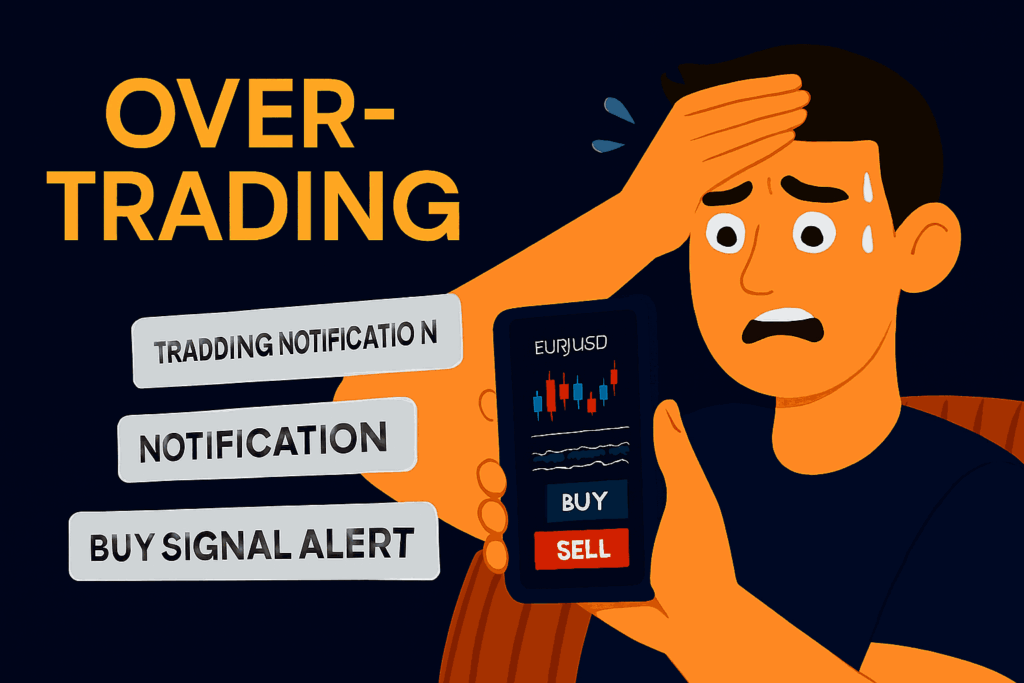
While the dominance of mobile trading is undeniable, it does come with risks. The same convenience that allows for fast decision-making can sometimes lead to impulsive trading. Constant notifications may also encourage overtrading, especially for beginners. Additionally, smaller screens may limit a trader’s ability to conduct in-depth analysis compared to a multi-monitor desktop setup.
Smart traders use mobile trading as a complement to their broader strategies, ensuring they balance convenience with discipline.
Conclusion
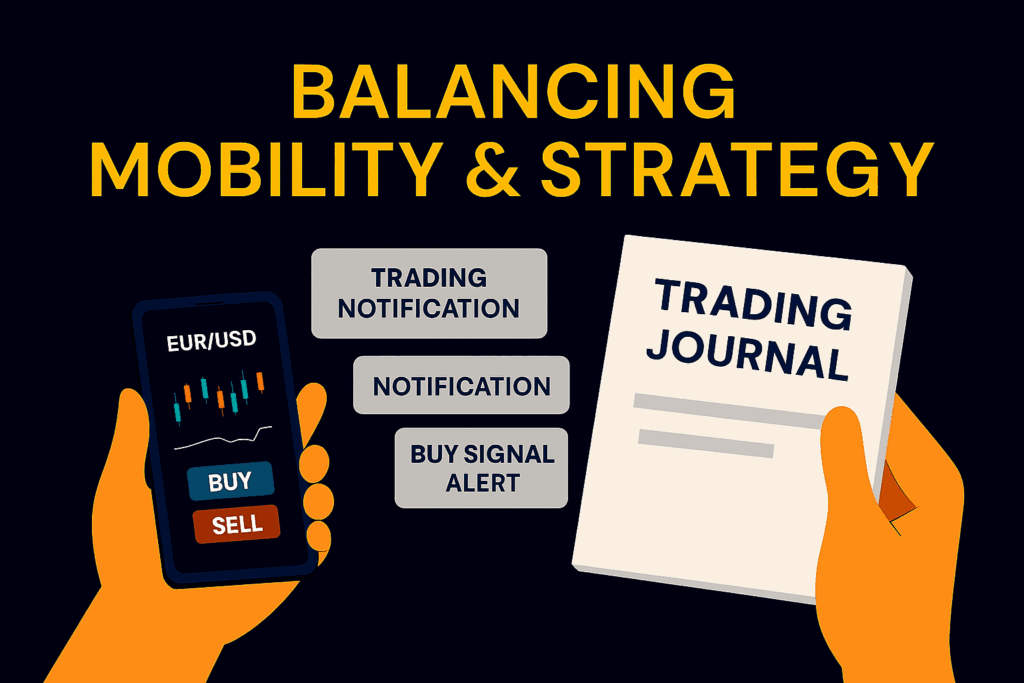
Mobile trading is no longer just an option it’s the future of forex trading. With enhanced accessibility, real-time updates, and powerful technology at our fingertips, traders can respond faster and smarter than ever before. However, like any tool, its effectiveness depends on how it’s used. By balancing mobility with strategy, forex traders can harness the true power of mobile platforms while avoiding the pitfalls.